Lesson Introduction


This asynchronous lesson is designed to delve into the intricacies of AI-powered learning, empowering you to tailor educational experiences to individual needs and learning styles.
In this self-paced journey, you will not only gain a comprehensive understanding of AI's potential to revolutionize education but also discover the principles and practices of personalized learning, a dynamic approach that caters to the unique needs of each learner. We invite you to take your time, actively engage with the materials, and select the pathway that best resonates with your interests and learning goals.
As you embark on this transformative learning experience, keep these key insights in mind:
Personalized learning is the cornerstone of effective education, ensuring that every learner receives the support and guidance they need to thrive.
AI offers a powerful toolkit for personalizing learning, enabling educators to adapt instructional strategies, assessments, and feedback to individual strengths and challenges.
Embracing personalized learning requires a paradigm shift in education, moving away from a one-size-fits-all approach and embracing the diversity of learning styles and needs.
Throughout this lesson, you will encounter a variety of engaging resources, including interactive simulations, thought-provoking discussions, and real-world case studies. These carefully curated materials will provide you with a deep understanding of AI's capabilities in personalized learning, enabling you to envision its transformative potential in your own educational endeavors.
Fotor AI Digital Art Prompt: Harness the creative power of Fotor to craft a visually stunning collage that vividly portrays the myriad pathways available in personalized learning. Use dynamic visuals to symbolize the diverse learning routes, showcasing the rich tapestry of educational journeys shaped by personalization and AI innovation.
Unleashing the Power of AI to Transform Education
Audio:

Embark on a captivating journey into the realm of artificial intelligence (AI) and its transformative impact on personalized learning.
Personalized Learning: The Epitome of Effective Education
Personalized learning is not merely a buzzword; it is a fundamental principle that underpins effective education. At its core, personalized learning recognizes that every learner is unique, possessing distinct strengths, challenges, and learning preferences. By embracing personalized learning, educators can create customized learning environments that foster meaningful engagement, stimulate diverse learning styles, and ultimately, empower learners to reach their full potential.
AI as a Catalyst for Personalized Learning
The advent of AI has ushered in a new era of possibilities for personalized learning. AI-powered tools and technologies offer educators an unprecedented ability to gather, analyze, and interpret vast amounts of data about individual learners. This rich data landscape enables educators to:
Adapt instructional strategies to match the learning styles and needs of each student.
Craft personalized assessments that accurately measure individual progress and provide targeted feedback.
Design data-driven interventions to address specific learning gaps and promote academic growth.
Embracing Personalized Learning: A Paradigm Shift in Education
Adopting personalized learning requires a paradigm shift in education, moving away from the traditional one-size-fits-all approach and embracing the diversity of learning styles and needs. This transformation calls for educators to:
Rethink curriculum design to ensure flexibility and adaptability to individual learner needs.
Incorporate diverse teaching methods and instructional strategies to cater to a range of learning styles.
Foster a culture of data-driven decision-making to inform instructional practices and support personalized learning pathways.
Your Personalized Pathway to AI-Powered Personalized Learning
As you navigate this self-paced lesson, you will have the opportunity to select the learning pathway that best aligns with your interests and learning goals.
Choose from two compelling options (or complete both pathways):
Dive into the Technical Landscape of AI in Education: Explore the technical underpinnings of AI, delving into the algorithms, machine learning techniques, and data analysis tools that power personalized learning solutions.
Uncover the Pedagogical Implications of AI-Powered Personalized Learning: Investigate the pedagogical implications of AI, examining how it transforms instructional practices, assessment strategies, and the overall learning experience for students.
Select your Pathway to Continue!
Pathway Overview: Enhancing Technical Skills
AUDIO:
Pathway Overview:
This pathway is designed to provide you with a comprehensive skill set, empowering you to not only understand the intricacies of AI but also apply it effectively to enhance educational experiences.
As you embark on this pathway, remember that it's not just about acquiring technical skills; it's about harnessing these skills to shape the future of education through personalized learning. Take your time, engage actively with the materials, and chart your course toward becoming a proficient AI practitioner in the realm of education.
Develop One or More of the Following Skills:
AI for HTML Coding:
- Learn how AI tools can streamline and optimize the coding process, leading to more efficient and dynamic educational content creation.
Generative AI Model Training:
- Develop the skills to train models that can autonomously generate content, enabling you to create personalized and adaptive learning materials tailored to individual preferences.
Algorithms to Predict Learning Outcomes:
- Explore the intersection of data analytics and education, equipping yourself with the ability to leverage AI to forecast and enhance the learning journey for each student.
Choose at least one skill to develop and personalize your learning along the way.
Tech Skill: Generative AI Model Training
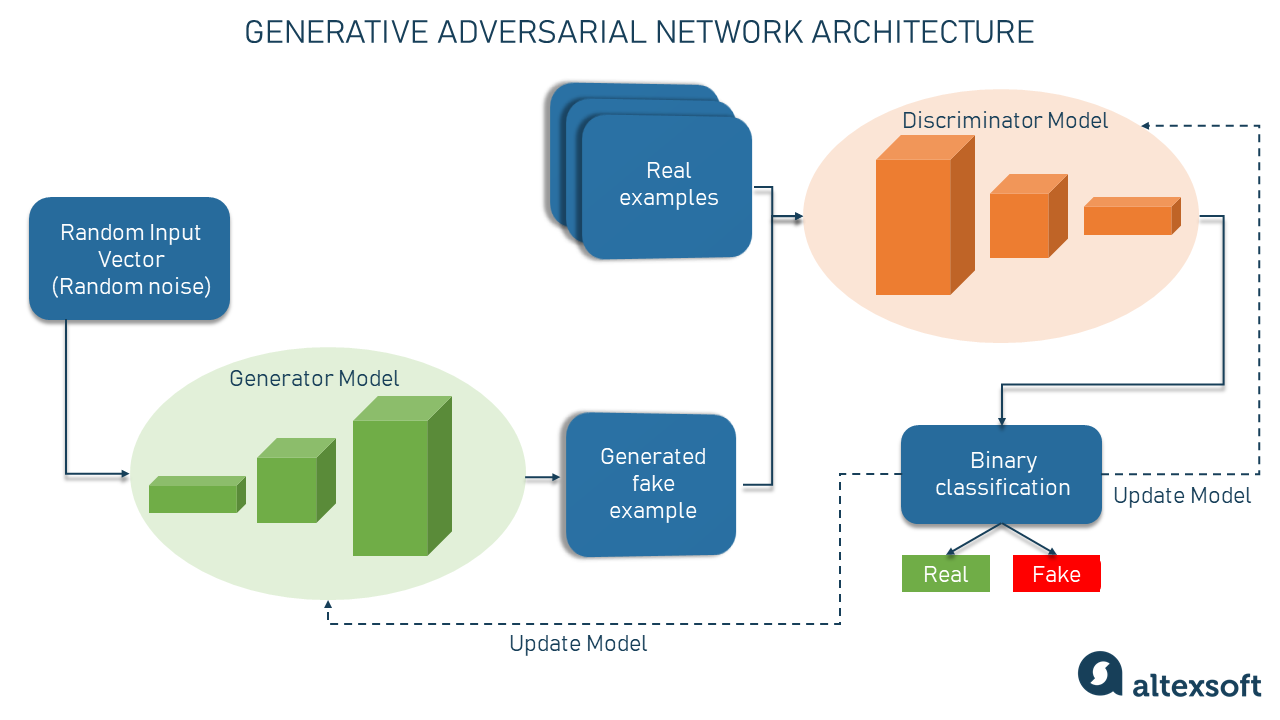
In the ever-evolving field of artificial intelligence, the capability to train generative models stands out as a transformative force. This section guides you through the process of training models that autonomously generate content, empowering you to craft personalized and adaptive learning materials tailored to individual preferences.
By understanding the principles of generative AI, delving into model training techniques, and considering ethical implications, you can harness the potential of AI to revolutionize educational content creation.
Training Generative AI Models: A Comprehensive Guide
1. Choosing the Right Architecture
Selecting the appropriate architecture is a critical first step in training a generative AI model. The architecture defines the structure and capabilities of the model. Popular architectures like GPT-3 (Generative Pre-trained Transformer) and OpenAI Codex have proven to be highly effective in various applications. GPT-3 excels in natural language generation, while OpenAI Codex is renowned for its code generation capabilities. Understanding the specific requirements of your project will guide you in choosing the most suitable architecture.
2. Curating Relevant Training Datasets
The quality of the training data significantly influences the performance of a generative AI model. Curating a diverse and representative dataset ensures that the model learns a broad range of patterns and context. For language-based models like GPT-3, a dataset comprising a mix of literary works, online articles, and conversational data could be valuable. OpenAI Codex, being specialized in code generation, benefits from training data that includes a variety of programming languages and coding styles. Careful curation is essential to avoid biases and ensure the model's adaptability to different contexts.
3. Fine-tuning Model Parameters
Once the architecture and dataset are in place, fine-tuning the model parameters is crucial for achieving optimal performance. Parameters include aspects such as learning rates, batch sizes, and the number of training iterations. Experimentation with these parameters helps strike a balance between model accuracy and training efficiency. Tools like TensorBoard and other visualization platforms aid in monitoring the training process, allowing you to adjust parameters based on real-time feedback.
4. Insights into Popular Generative Models
Understanding the nuances of popular generative models, such as GPT-3 and OpenAI Codex, provides valuable insights into their strengths and limitations. GPT-3, with its 175 billion parameters, excels in natural language understanding and generation tasks. OpenAI Codex, based on GPT-3, is specifically designed for code generation, making it a powerful tool for developers. Knowing the capabilities of these models helps you make informed decisions based on your project requirements.
Your Turn: Choose one of the mentioned tools and practice developing a training model. This is a good option for your capstone research project!
Model Training Step by Step
Training generative AI models involves a thoughtful combination of architecture selection, dataset curation, and parameter fine-tuning.
As you delve into generative AI model training, continuous experimentation and adaptation will be key to achieving optimal results and pushing the boundaries of content creation.
Step-by-Step Guide to Training
a. Set Objectives and Scope:
Define the goals of your generative AI model—whether it's natural language generation, code creation, or another specific task. Clearly outline the scope and desired outcomes.
b. Select Architecture:
Choose a model architecture that aligns with your objectives. Consider factors like the complexity of the task, available computing resources, and the specific strengths of different architectures.
c. Curate Training Data:
Gather a diverse and relevant dataset for training. Clean and preprocess the data to ensure consistency and eliminate biases.
d. Preprocess Data:
Prepare the dataset by tokenizing and encoding the input data. This step is crucial for feeding the data into the model in a format it can understand.
e. Set Up Training Environment:
Configure your training environment with the necessary hardware and software components. Cloud platforms like AWS, Google Cloud, and Azure offer convenient solutions for model training.
f. Fine-tune Model Parameters:
Experiment with different parameters to find the optimal configuration for your specific task. Monitor the training process and adjust parameters as needed.
g. Evaluate Model Performance:
Assess the performance of your model using validation datasets. Fine-tune further if necessary to improve accuracy and address any issues.
h. Deploy and Iterate:
Once satisfied with the model's performance, deploy it in your desired environment. Continuously monitor and iterate based on real-world usage and feedback.
6. User-Friendly Tools and Platforms
Several user-friendly tools and platforms simplify the process of training generative AI models. TensorFlow and PyTorch provide comprehensive frameworks for deep learning, offering a wide range of pre-built models and tools for customization. Hugging Face's Transformers library streamlines the use of pre-trained models like GPT-3 and facilitates fine-tuning for specific tasks. These tools democratize access to generative AI, enabling developers and researchers with varying levels of expertise to engage in model training.
By understanding popular models, such as GPT-3 and OpenAI Codex, and following a step-by-step guide, you can embark on the journey of creating powerful, autonomous content generators. User-friendly tools and platforms further democratize this process, making it accessible to a broader audience and unlocking the potential for innovative applications across various domains.
Professional Spotlight: Colin White
In the realm of artificial intelligence, showcasing your expertise in model training is more than just beneficial—it's essential. This page explores the pivotal role of a well-constructed portfolio in the context of AI model training, using Colin White's profile as an illustrative example.
Keep in mind: How could you build your capstone portfolio to be on par with other scholars in the field?
1. Illustrating Proficiency in Model Training
A professional portfolio in the field of AI is a dynamic canvas that allows you to showcase your proficiency in model training. It goes beyond traditional resumes by providing tangible examples of projects, algorithms implemented, and outcomes achieved. This visual representation serves as a compelling testament to your expertise in the intricacies of AI model development.
2. Creating an Impactful First Impression
Colin White's portfolio is a prime example of how a well-crafted presentation can make an immediate impact. A visually engaging layout and concise descriptions of AI model projects create a lasting first impression. In the competitive field of AI, this initial impact can set the stage for a positive evaluation of your capabilities by potential employers or collaborators.
3. Highlighting Continuous Learning and Innovation
Your portfolio is not just a static collection of past achievements; it's a living document that reflects your commitment to continuous learning and innovation. Regular updates with new model training projects demonstrate your adaptability to evolving AI technologies and methodologies, a quality highly valued in the dynamic field of artificial intelligence.
4. Establishing a Strong Online Presence
In the digital landscape of AI, an online presence is paramount. A professional portfolio acts as your virtual showcase, making it effortless for peers, recruiters, or AI enthusiasts to discover and explore your work. This online visibility can be a catalyst for networking, collaborations, and opportunities within the AI community.
5. Tailoring Your Portfolio to AI Career Goals
A portfolio allows you to tailor your presentation to align precisely with your AI career goals. Whether your focus is on computer vision, natural language processing, or other AI applications, your portfolio becomes a strategic tool to showcase relevant skills and experiences. Colin White's portfolio exemplifies this targeted approach, emphasizing his expertise in data science and machine learning.
6. Maximizing Networking Opportunities in the AI Community
Beyond impressing potential employers, a robust AI portfolio enhances your networking opportunities within the AI community. Share your portfolio on platforms like LinkedIn or during AI conferences to connect with like-minded professionals. Your portfolio serves not only as a showcase but also as a conversation starter for discussing the latest trends and advancements in AI model training.
Colin White's AI Portfolio: A Case Study
Colin White's AI portfolio (https://crwhite.ml/) serves as an exemplary case study in AI model training. The clean design, detailed project descriptions, and clear demonstration of AI skills make this portfolio an effective tool for anyone seeking inspiration in showcasing their AI model training expertise.
Key Takeaways from Colin's AI Portfolio:
Visual Appeal: The design elements and visuals enhance the overall appeal of the portfolio, creating an engaging user experience.
Project Showcase: Each AI model training project is accompanied by detailed descriptions, offering insights into the methodologies and technologies employed.
Skills Emphasis: A dedicated section highlights AI skills, providing a quick overview of Colin's expertise in model training.
Contact Information: Clear and accessible contact details facilitate easy communication for potential collaborations or inquiries.
Learn More: Watch Algorithmic Configuration for Combinatorial Partitioning Problems
Choose how you would like to continue from the options below.

I Selected Continue Lession
Capstone Connections: Example Project #1
AUDIO:
Here is an example Capstone Research Project to consider if this aligns with your interests:
Project Title: Enhancing Computer Science Education through Personalized Learning: A Comprehensive Online Course for Introductory Programming
Problem Statement:
Traditional computer science instruction often employs a one-size-fits-all approach, failing to cater to the diverse learning styles, preferences, and needs of individual students. This can lead to disengagement, frustration, and a lack of understanding among learners, hindering their progress and success in computer science education.
Research Question:
How can personalized learning approaches be effectively integrated into computer science instruction to enhance engagement, comprehension, and overall learning outcomes for students?
Research Methodology:
The student will conduct a comprehensive literature review to explore the theoretical foundations and empirical evidence supporting personalized learning in computer science education. They will analyze case studies, research papers, and expert opinions to identify effective strategies and best practices for implementing personalized learning in online computer science courses.
Capstone Project Deliverables:
Comprehensive Online Course: Develop a fully functional online course for introductory programming that incorporates personalized learning principles. The course should include:
Flexible learning paths with self-paced modules and adaptive learning features.
Personalized feedback and recommendations based on individual student performance.
Engaging and interactive hands-on activities and projects.
Lesson Guide: Create a comprehensive lesson guide of 12 or more designed lessons that demonstrate strong pedagogy in computer science instruction. The lesson guide should include:
Differentiated instruction strategies to cater to diverse learning styles and needs.
Real-world examples and applications of computer science concepts.
Formative assessment techniques to gauge student understanding.
Opportunities for collaboration and peer learning.
Research Paper: Write a research paper that summarizes the findings of the literature review and provides recommendations for implementing personalized learning in computer science instruction. The paper should include:
A discussion of the theoretical and empirical foundations of personalized learning.
Analysis of successful case studies and best practices.
Recommendations for curriculum design, instructional strategies, and assessment methods.
Evaluation Plan:
The effectiveness of the online course and lesson guide will be evaluated through a combination of methods, including:
Student feedback surveys: Gather feedback from students who have taken the online course or participated in lessons based on the lesson guide.
Pre- and post-tests: Administer pre- and post-tests to assess students' understanding of computer science concepts.
Analysis of student engagement data: Track student engagement metrics, such as time spent on learning activities, completion rates, and interaction levels.
Expert review: Seek feedback from computer science educators and instructional designers to evaluate the pedagogical soundness and effectiveness of the course and lesson guide.

I selected Continue lession
How was your experience in navigating this personalized lesson? Be specific and include:
- What pages did you explore and why did you make those choices?
- What did you learn that confirmed or challenged your current skillset?
- If you could add an additional pathway, what would it be and why?
- How could you extend your learning further based on this lesson?
- Any additional thoughts or insights from navigating the lesson.
Please do not use AI to generate your reflection. True learning requires critical thinking, self-assessment, and further analysis. 250 word minimum.

Comments
Post a Comment