Lesson Overview
Welcome to the Module 2 Lesson: AI and ML Basics and Potential in Education!
START AUDIO:
In today's rapidly evolving technological landscape, AI and ML are not just buzzwords; they are powerful tools reshaping the way we approach education. This lesson aims to demystify these concepts, providing you with a clear understanding of their definitions and showcasing their significance in various fields, with a special focus on their potential applications within education.
What to Expect
Throughout this lesson, we will embark on a journey that begins with the fundamentals of AI and ML, delves into their real-world applications in education, and explores key concepts that form the backbone of these revolutionary technologies. We'll discuss how AI and ML can revolutionize the learning experience, making it more personalized, adaptive, and efficient.
Lesson Outline
Understanding AI and Machine Learning:
- Defining AI and ML
- Significance in Various Fields
Applications of AI and ML in Education:
- Personalized Learning
- Adaptive Assessments
- Intelligent Tutoring Systems
Key Machine Learning Concepts:
- Supervised Learning
- Unsupervised Learning
- Reinforcement Learning
AI Ethics in Education:
- Bias and Fairness
- Privacy Concerns
- Transparency
Case Studies:
- IBM Watson Education
- Khan Academy
Future Trends:
- Virtual Reality (VR) in Education
- Predictive Analytics
Get Ready to Dive In!
Whether you're a student, educator, or simply curious about the intersection of technology and education, this lesson is tailored to provide you with insights into the transformative potential of AI and ML in the realm of learning.
Get ready to explore, learn, and discover the limitless possibilities that AI and ML bring to the world of education.
Let's get started!
Defining AI and ML
Artificial Intelligence (AI):
Definition: Artificial Intelligence is the culmination of computer science and cognitive psychology, aiming to create machines that can mimic human intelligence. These intelligent systems are designed to perceive their environment, learn from the data they encounter, and make decisions or take actions to achieve specific goals. AI can be categorized into narrow or weak AI, designed for specific tasks, and general or strong AI, which possesses human-like cognitive abilities across a wide range of domains.

Components of AI:
Machine Learning: One of the core components of AI, Machine Learning involves algorithms and statistical models that enable computers to perform tasks without explicit programming. Through learning patterns from data, machine learning algorithms improve their performance over time.
Natural Language Processing (NLP): NLP focuses on the interaction between computers and human language. It enables machines to understand, interpret, and generate human-like text, opening avenues for chatbots, language translation, and sentiment analysis.
Computer Vision: This facet of AI empowers machines to interpret and make decisions based on visual data. It is the technology behind image and facial recognition, object detection, and autonomous vehicles.
Significance of AI:
AI's significance lies in its ability to augment human capabilities and solve complex problems across diverse domains. Here are key areas where AI has made a significant impact:
Healthcare: AI is revolutionizing diagnostics, predicting patient outcomes, and personalizing treatment plans. It accelerates drug discovery processes by analyzing vast datasets.
Finance: In the financial sector, AI algorithms analyze market trends, manage risk, and detect fraudulent activities, ensuring more efficient and secure transactions.
Retail: AI enhances customer experiences through personalized recommendations, optimizes supply chain operations, and streamlines inventory management.
Manufacturing: AI-driven robotics and automation improve production efficiency, quality control, and predictive maintenance, leading to increased productivity.
Entertainment: AI powers recommendation systems on streaming platforms, enhances gaming experiences, and facilitates the creation of AI-generated content, including music and art.
Machine Learning (ML):
Definition: Machine Learning is a subset of AI that focuses on the development of algorithms and models allowing computers to learn from data and make predictions or decisions. It involves the exploration of patterns and relationships within datasets, enabling machines to improve their performance without being explicitly programmed.
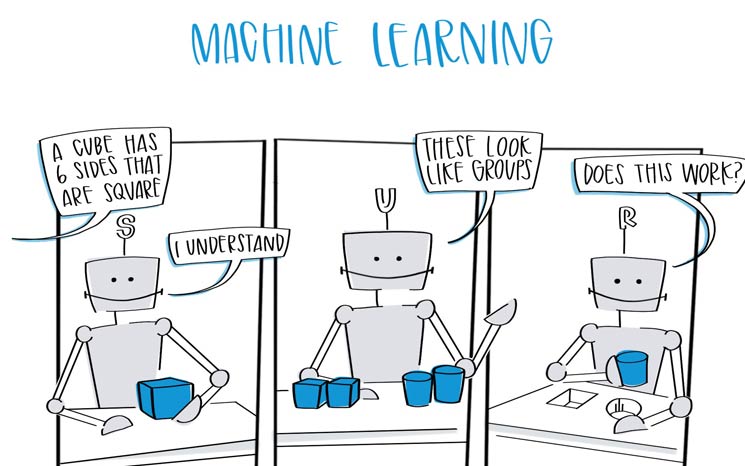
Types of Machine Learning:
Supervised Learning: In supervised learning, models are trained on labeled datasets, making predictions based on input-output pairs. It is widely used in classification and regression tasks.
Unsupervised Learning: Unsupervised learning involves learning from unlabeled data, discovering patterns and relationships without predefined outputs. Clustering and dimensionality reduction are common applications.
Reinforcement Learning: In reinforcement learning, agents learn through trial and error, receiving feedback in the form of rewards or penalties. It is prevalent in applications where an agent must make sequential decisions.
Significance of Machine Learning:
Predictive Analytics: ML models analyze historical data to make predictions about future events, such as weather forecasting, stock market trends, and customer behavior.
Natural Language Processing (NLP): ML algorithms enable machines to understand and generate human language, powering applications like language translation, chatbots, and sentiment analysis.
Image and Speech Recognition: ML excels in recognizing patterns, making it invaluable in image and speech recognition applications, from facial recognition to voice assistants.
Healthcare Diagnostics: Machine Learning aids in medical image analysis, diagnostics, and predicting patient outcomes, contributing to more accurate and timely healthcare interventions.
Recommendation Systems: ML powers recommendation algorithms, enhancing user experiences in areas like streaming services, e-commerce, and social media.
Machine Learning
At its heart, machine learning is about enabling machines to learn from data and improve their performance over time. Rather than relying on explicit programming, we leverage algorithms that can adapt and evolve, making sense of patterns and relationships within datasets. These algorithms allow machines to generalize from existing information and make informed predictions or decisions in new, unseen situations.
Types of Machine Learning
Note: This content is explored in depth in DCS725: Data Mining and Warehousing.
1. Supervised Learning
Definition: In supervised learning, the algorithm is trained on a labeled dataset, where each input is associated with the corresponding correct output. The model learns to map inputs to outputs, making predictions on new, unseen data.
Example: If the task is to classify emails as spam or not spam, the algorithm is trained on a dataset of emails with labels indicating whether each email is spam or not.
2. Unsupervised Learning
Definition: Unsupervised learning involves working with unlabeled data, where the algorithm explores patterns and relationships without predefined output labels. The goal is to discover hidden structures or groupings within the data.
Example: Clustering is a common unsupervised learning task, where the algorithm groups similar data points together without knowing the specific categories beforehand.
3. Reinforcement Learning
Definition: Reinforcement learning is centered around an agent that learns to make decisions by receiving feedback in the form of rewards or penalties. The agent navigates an environment, adjusting its actions to maximize cumulative rewards over time.
Example: Training a reinforcement learning agent to play a game where it receives rewards for completing objectives and penalties for making mistakes.
The Learning Process: Machines vs. Humans
While machine learning is a computational approach inspired by aspects of human learning, there are both similarities and differences. The iterative and adaptive nature of both processes underscores the dynamic and evolving nature of learning, whether in artificial intelligence or the human brain. Both systems share the fundamental goal of improving performance and making more informed decisions based on experience and exposure to information.

The Machine Learning Process:
1. Data Collection:
Machine learning begins with the collection of relevant data. This data serves as the foundation upon which algorithms will be trained. The quality and diversity of the dataset significantly impact the model's ability to generalize and make accurate predictions.
2. Feature Extraction:
In the feature extraction stage, relevant attributes or features are identified from the collected data. These features serve as the input variables that the machine learning model will use to make predictions. Feature extraction is akin to focusing on specific aspects of the data that are deemed essential for the learning task.
3. Training:
During the training phase, the machine learning model is exposed to the labeled dataset. The algorithm learns to map inputs to outputs, adjusting its internal parameters to minimize the difference between its predictions and the actual outcomes. This process involves iteratively fine-tuning the model to improve its performance.
4. Testing and Evaluation:
Once trained, the model is tested on new, unseen data to evaluate its ability to generalize. This step helps assess how well the model can make accurate predictions beyond the data it was trained on. The evaluation phase is crucial for determining the model's effectiveness and identifying potential areas for improvement.
5. Iterative Refinement:
The machine learning process is often iterative. Based on the evaluation results, adjustments are made to the model, and the training process is repeated. This iterative refinement continues until the model achieves the desired level of accuracy and generalization.
Comparisons with the Human Brain:
1. Data Processing (Learning from Experience):
Machine Learning: Algorithms learn from large datasets, extracting patterns and relationships to make predictions. The learning is data-driven and relies on exposure to diverse examples.
Human Brain: Humans learn from experience and exposure to various stimuli. The brain processes information, forms connections between neurons, and adapts based on experiences, gradually refining its understanding of the world.
2. Feature Recognition (Selective Attention):
Machine Learning: Feature extraction involves identifying relevant attributes from the data. The model focuses on specific features deemed crucial for the learning task.
Human Brain: Selective attention allows the brain to focus on specific stimuli or features in the environment, filtering out irrelevant information. This selective process is essential for efficient learning and decision-making.
3. Training (Neural Plasticity):
Machine Learning: Training involves adjusting internal parameters to minimize prediction errors. The model exhibits a form of artificial neural plasticity, adapting its structure based on the presented data.
Human Brain: Neural plasticity in the human brain refers to its ability to reorganize itself, forming new connections and adapting to changing circumstances. This plasticity underlies the brain's capacity to learn and adapt throughout life.
4. Testing and Evaluation (Generalization):
Machine Learning: The model is evaluated on new data to assess its generalization ability—its capacity to make accurate predictions beyond the training set.
Human Brain: Humans generalize learning by applying knowledge and skills acquired in one context to new, similar situations. This ability contributes to adaptive behavior in diverse environments.
5. Iterative Refinement (Continuous Learning):
Machine Learning: Iterative refinement involves making adjustments based on evaluation results, repeating the training process to enhance the model's performance.
Human Brain: Continuous learning is a hallmark of human cognition. Throughout life, the brain adapts and refines its understanding of the world through ongoing experiences and exposure to new information.
Theoretical Connections
Machine learning draws inspiration from various learning theories, each contributing to different aspects of the development and improvement of algorithms.
These learning theories collectively contribute to the diverse landscape of machine learning approaches, guiding the design and implementation of algorithms that can adapt, generalize, and improve over time.
As the field continues to evolve, the interplay between learning theories and machine learning methodologies will likely shape the development of more sophisticated and human-inspired learning models.
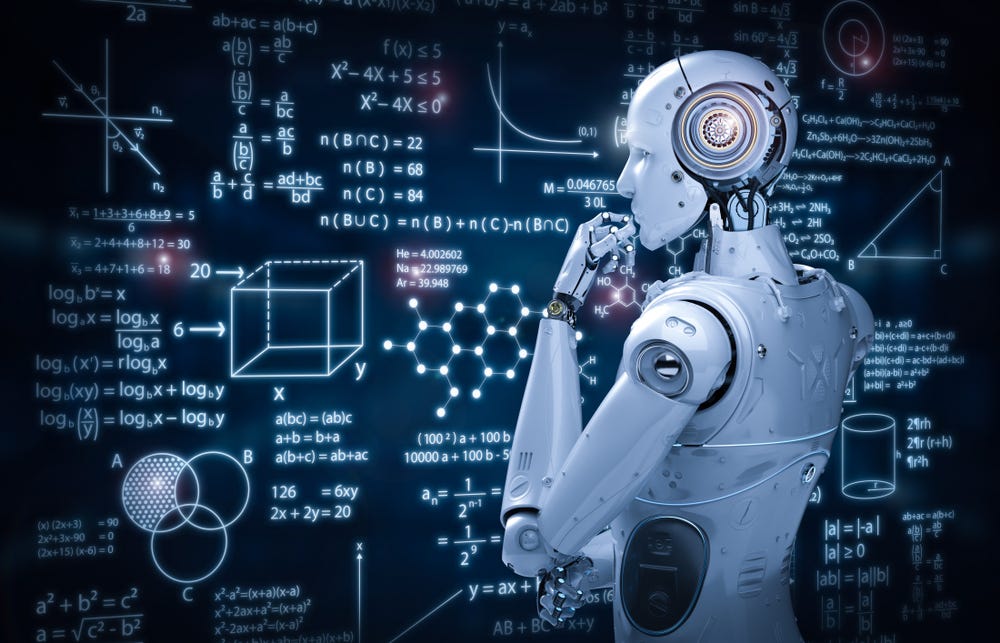
Here are some prominent learning theories applied to machine learning:
1. Behaviorism:
Application in Machine Learning: Behaviorism, which focuses on observable behaviors and responses to stimuli, aligns with the reinforcement learning paradigm in machine learning. In reinforcement learning, an agent learns by receiving feedback in the form of rewards or penalties based on its actions. The agent adjusts its behavior to maximize cumulative rewards, mirroring the principles of behaviorism.
2. Cognitivism:
Application in Machine Learning: Cognitivism emphasizes mental processes such as perception, memory, and problem-solving. Machine learning models often incorporate cognitive-inspired features, such as neural networks designed to mimic the interconnected neurons in the human brain. The process of feature extraction and abstraction in machine learning reflects cognitivist principles.
3. Constructivism:
Application in Machine Learning: Constructivism posits that individuals actively construct their knowledge by interacting with their environment. In machine learning, unsupervised learning algorithms, such as clustering and generative models, embody constructivist principles. These algorithms learn patterns and structures in data without explicit labeling, allowing the model to construct its own understanding.
4. Connectionism:
Application in Machine Learning: Connectionism, also known as neural network theory, is closely related to artificial neural networks in machine learning. The interconnected nodes in neural networks, inspired by the structure of the human brain, allow models to learn complex representations and relationships within data. Deep learning, a subset of machine learning, heavily relies on connectionist principles.
5. Social Learning Theory:
Application in Machine Learning: Social learning theory emphasizes the importance of social interactions in the learning process. Collaborative filtering algorithms in recommendation systems leverage social learning by considering the preferences and behaviors of similar users. This approach enhances the accuracy of personalized recommendations.
6. Transfer Learning:
Application in Machine Learning: Transfer learning aligns with the idea that knowledge gained in one context can be applied to another. In machine learning, transfer learning involves training a model on one task and then fine-tuning it for a related task. This approach leverages the knowledge gained in the initial task to improve performance on a new, similar task.
7. Enactive, Embodied, and Extended Cognition:
Application in Machine Learning: These theories emphasize the role of the body and the environment in the learning process. In machine learning, robotics and embodied AI explore the integration of physical interactions with the environment, allowing machines to learn not just from data but also from interactions with the surrounding world.
8. Constructive Alignment:
Application in Machine Learning: Constructive alignment, a theory in educational psychology, emphasizes aligning teaching and assessment methods with desired learning outcomes. In machine learning, the iterative refinement process, where models are adjusted based on evaluation results, can be seen as a form of constructive alignment to improve the alignment between the model's predictions and desired outcomes.
Match the learning theory with its key concept.
Behaviorism
Constructivism
Cognitivism
Connectionism
Focuses on mental processes and problem-solving.
a) Cognitivism
Emphasizes observable behaviors and responses to stimuli.
a) Behaviorism
Posits that individuals actively construct their knowledge.
a) Constructivism
Involves neural network theory and interconnected nodes.
a) Connectionism
Potential to Revolutionize Education
The integration of AI and Machine Learning in education, particularly in the realms of personalized learning, adaptive assessments, and intelligent tutoring systems, has the potential to revolutionize the learning experience, making it more engaging, effective, and tailored to individual needs.
Note: We will explore applications and case studies of these approaches in future module lessons.


AI Photo Prompt: The year is 2142. Artificial intelligence has become so advanced that it has surpassed human intelligence. This has transformed teaching and learning and our society can seamlessly integrate effective solutions, and learning as we go.
1. Personalized Learning
Definition:
Personalized Learning: Personalized learning involves tailoring educational experiences to meet the unique needs, preferences, and learning styles of individual students. AI plays a pivotal role in delivering personalized learning experiences by leveraging data analytics and adaptive technologies.
How AI Enables Personalized Learning:
Data Analysis: AI algorithms analyze vast amounts of student data, including academic performance, learning preferences, and engagement levels. This analysis forms the basis for understanding each student's strengths, weaknesses, and optimal learning pathways.
Adaptive Content: AI-powered platforms dynamically adjust learning materials and resources based on individual progress. This adaptability ensures that students receive content at an appropriate difficulty level, fostering a more effective and engaging learning experience.
Smart Recommendations: AI-driven recommendation engines suggest supplementary resources, activities, or topics based on a student's performance and interests. This encourages exploration and self-directed learning.
Real-time Feedback: AI provides instant feedback on assignments and assessments, helping students understand their mistakes and areas that need improvement. This immediate feedback loop contributes to continuous learning and skill development.
Benefits of Personalized Learning with AI:
Higher Engagement: Tailoring content to individual preferences enhances student engagement, as they are more likely to be interested and motivated when the learning experience aligns with their interests.
Improved Retention: Personalized learning addresses individual learning needs, leading to better comprehension and retention of concepts, as students can progress at their own pace.
Inclusive Education: AI enables the creation of inclusive learning environments by accommodating diverse learning styles and providing additional support to students who may need it.
2. Adaptive Assessments
Definition:
Adaptive Assessments: Adaptive assessments use AI algorithms to dynamically adjust the difficulty and format of assessment questions based on the individual student's performance. This approach goes beyond traditional static assessments, offering a more accurate representation of a student's knowledge and skills.
How AI Enables Adaptive Assessments:
Real-time Analysis: AI analyzes responses to previous questions in real-time, assessing the student's level of understanding and knowledge. This analysis informs the selection of subsequent questions.
Personalized Difficulty Levels: Adaptive assessments present questions of varying difficulty levels, ensuring that each student is challenged at an appropriate level. This prevents both underestimation and overestimation of a student's abilities.
Targeted Feedback: AI provides targeted feedback based on each student's responses, guiding them on areas for improvement. This personalized feedback enhances the learning experience and supports ongoing skill development.
Efficient Evaluation: Adaptive assessments streamline the evaluation process by focusing on the specific areas where a student needs evaluation, saving time for both educators and students.
Benefits of Adaptive Assessments with AI:
Accurate Measurement: Adaptive assessments provide a more accurate measurement of a student's proficiency by adjusting to their unique skill level, avoiding a one-size-fits-all approach.
Reduced Test Anxiety: Students experience less test anxiety as the adaptive nature of assessments ensures they are not overwhelmed with questions that are too difficult or discouraged by questions that are too easy.
Efficient Resource Allocation: Educators can allocate resources more efficiently by identifying specific areas where students need additional support, allowing for targeted interventions.
3. Intelligent Tutoring Systems
Definition:
Intelligent Tutoring Systems (ITS): Intelligent Tutoring Systems leverage AI to provide personalized and adaptive support to students in their learning journey. These systems act as virtual tutors, offering guidance, feedback, and customized learning experiences.
How AI Enables Intelligent Tutoring Systems:
Data-driven Personalization: ITS analyze individual student data, including performance, learning styles, and preferences, to tailor instructional content and methods.
Adaptive Feedback: AI provides real-time feedback on student performance, guiding them through exercises, identifying misconceptions, and offering additional explanations when needed.
Responsive Interactions: Intelligent Tutoring Systems engage in natural language interactions with students, adapting their responses based on the student's input and progression.
Continuous Assessment: AI continuously assesses student understanding, adjusting the difficulty of tasks and providing additional support as required. This iterative process ensures ongoing improvement and mastery of concepts.
Benefits of Intelligent Tutoring Systems with AI:
Individualized Support: ITS offer individualized support, allowing students to learn at their own pace and receive guidance tailored to their unique needs.
Enhanced Learning Outcomes: The adaptive nature of ITS contributes to improved learning outcomes by addressing individual learning gaps and providing targeted reinforcement.
24/7 Availability: Intelligent Tutoring Systems are available around the clock, providing students with on-demand support and resources whenever they need assistance.
Imagine you are an educational innovator tasked with proposing a new AI/ML application for a specific educational context. Describe the application, its intended impact on student learning, and how it addresses potential concerns.
Think creatively about how AI and ML could be leveraged to solve a specific educational challenge or enhance an existing aspect of the learning experience.
(300 words)
Ethical Considerations
1. Bias and Fairness:
Potential Biases in AI Algorithms:
AI algorithms can inadvertently perpetuate biases present in the data they are trained on. If historical data contains biases related to gender, race, or socioeconomic factors, the algorithm may learn and replicate these biases, leading to unfair or discriminatory outcomes. For example, biased hiring practices in the past might result in AI recruitment tools favoring certain demographics over others.

AI Photo Prompt: Generate an image depicting a classroom scenario where AI is utilized for personalized learning. Consider the ethical implications of AI in education, exploring aspects like privacy, bias, and student autonomy. Visualize a balance between technological advancement and ethical considerations in fostering a conducive learning environment.
Strategies to Mitigate Bias:
Diverse and Representative Training Data: Ensuring that training datasets are diverse and representative of the population helps mitigate biases. This involves actively seeking out and including data from various demographic groups to create a more balanced and inclusive dataset.
Bias Detection and Evaluation: Implementing mechanisms to detect and evaluate biases in AI models is crucial. This involves regularly assessing model outputs for potential disparities and adjusting algorithms accordingly.
Explainability and Accountability: Making AI models more transparent and understandable enables stakeholders to identify and address biases effectively. Establishing accountability for the outcomes of AI systems encourages responsible development and usage.
Ongoing Monitoring and Auditing: Continuous monitoring and auditing of AI systems help identify and rectify biases that may emerge over time. Regular evaluations ensure that the system remains fair and aligned with ethical standards.
By actively addressing biases in AI algorithms, we can strive to create more equitable and fair systems that avoid perpetuating historical inequalities.
2. Privacy Concerns:
Importance of Protecting Student Data and Privacy:
In educational settings, the use of AI raises significant privacy concerns, particularly when dealing with student data. Personal information, academic records, and learning behaviors are sensitive data that must be handled with utmost care. The potential misuse or unauthorized access to this data can have serious implications for students' privacy.
Strategies to Ensure Privacy:
Data Encryption and Security Measures: Implementing robust encryption and security measures safeguard student data from unauthorized access. This ensures that sensitive information remains confidential and protected.
Anonymization of Data: Removing personally identifiable information from datasets through anonymization techniques helps protect individual privacy while still allowing for meaningful analysis and model training.
Informed Consent and Transparency: Establishing clear policies regarding data usage, obtaining informed consent from students and their guardians, and being transparent about how AI systems utilize and protect data contribute to building trust and respecting privacy.
Compliance with Regulations: Adhering to relevant data protection regulations, such as GDPR (General Data Protection Regulation) or similar local laws, ensures that educational institutions are legally and ethically managing student data.
By prioritizing privacy and implementing robust safeguards, educational institutions can harness the benefits of AI while upholding their responsibility to protect sensitive student information.
3. Transparency:
Need for Transparency in AI Systems:
Transparency is crucial for building trust in AI systems, especially in educational settings where stakeholders need to understand how decisions are made. Lack of transparency can lead to skepticism and hinder the acceptance of AI applications in education.
Strategies to Enhance Transparency:
Explainability of Algorithms: Ensuring that AI algorithms are interpretable and provide clear explanations for their decisions enhances transparency. This allows educators, students, and administrators to understand how and why specific outcomes are reached.
Documentation and Reporting: Comprehensive documentation of AI systems, including their development processes, training data, and evaluation metrics, facilitates transparency. Regular reporting on system performance and any updates contributes to an open and accountable environment.
Stakeholder Involvement: Involving educators, students, and other stakeholders in the development and decision-making processes fosters transparency. Collaboration and communication ensure that the AI system aligns with the values and expectations of the educational community.
Ethical Guidelines and Standards: Adherence to ethical guidelines and standards in AI development establishes a framework for transparency. Following established principles ensures that AI applications in education align with ethical norms and values.
The Case of IBM Watson Education: Enhancing Learning with AI
IBM Watson Education exemplifies the transformative potential of AI in education.
By leveraging adaptive learning, intelligent tutoring, data analytics, natural language processing, VR, and professional development, IBM Watson contributes to creating a more personalized, engaging, and effective learning environment for both students and educators.
Through these applications, IBM Watson plays a pivotal role in shaping the future of education by harnessing the power of AI to enhance learning outcomes and experiences.

AI Photo Prompt: Create a compelling image illustrating IBM Watson's impact on education. Visualize a scenario where students engage with Watson-powered tools, showcasing the potential benefits and challenges. Capture the essence of AI-driven personalized learning, emphasizing the transformative nature of technology in education. Consider elements like collaboration, data privacy, and the evolving role of educators.
1. Adaptive Learning and Personalization:
Insight: IBM Watson Education leverages AI to provide adaptive learning experiences, tailoring content to individual student needs and learning styles. The platform analyzes data on student performance, preferences, and interactions to dynamically adjust the difficulty and pace of learning materials.
Example: In a mathematics course, IBM Watson may identify a student's proficiency in specific topics and adaptively offer more challenging problems or provide additional support in areas where the student needs reinforcement. This personalized approach enhances engagement and mastery of concepts.
2. AI-powered Tutoring and Support:
Insight: IBM Watson Education incorporates intelligent tutoring systems that offer personalized guidance and support. Through natural language processing and machine learning, the platform engages with students in real-time, providing feedback, answering questions, and offering additional resources.
Example: A student struggling with a complex science concept can interact with an AI-powered tutor on the IBM Watson platform. The tutor identifies the student's misconceptions, offers targeted explanations, and guides the student through interactive exercises to reinforce understanding.
3. Data Analytics for Student Success:
Insight: IBM Watson Education harnesses the power of data analytics to predict student outcomes and identify early intervention opportunities. By analyzing patterns in student performance and behavior, the platform helps educators proactively address challenges and support individual student needs.
Example: If the platform identifies a trend of declining quiz scores or decreased engagement for a particular student, it may alert educators to potential academic challenges. This early warning system enables timely interventions, such as additional tutoring or personalized learning plans.
4. Natural Language Processing in Assessment:
Insight: IBM Watson integrates natural language processing (NLP) capabilities to enhance assessments. This allows for a more nuanced understanding of student responses beyond simple correctness, providing insights into comprehension, critical thinking, and communication skills.
Example: In a language arts assessment, IBM Watson can analyze written responses to open-ended questions. It not only assesses the accuracy of answers but also evaluates the depth of understanding, coherence of ideas, and language proficiency, offering a more holistic view of student performance.
5. Virtual Reality (VR) for Immersive Learning:
Insight: IBM Watson explores the integration of virtual reality (VR) to create immersive learning experiences. By combining AI with VR, the platform aims to provide students with interactive and engaging simulations that enhance understanding of complex concepts.
Example: In a history lesson, students using VR through IBM Watson could virtually explore historical events, interact with historical figures, and gain a deeper understanding of the context. This immersive approach fosters experiential learning and enhances retention of information.
6. Continuous Learning and Professional Development for Educators:
Insight: IBM Watson Education extends its impact beyond students to educators, offering AI-driven professional development opportunities. The platform provides insights into teaching strategies, identifies areas for improvement, and facilitates continuous learning for educators.
Example: Educators using IBM Watson can receive personalized recommendations for professional development based on their teaching styles, classroom dynamics, and student outcomes. This ensures that teachers stay updated on effective pedagogical approaches and technology integration.
The Case of Khan Academy: Personalized Learning with AI
Khan Academy demonstrates a commitment to personalized learning through the strategic integration of AI algorithms. By leveraging adaptive learning paths, personalized dashboards, gamification, NLP for feedback, and accessibility features,
Khan Academy empowers students to learn at their own pace, with tailored support and engaging experiences that cater to their unique needs and preferences.
The platform continues to exemplify the transformative potential of AI in education by fostering a more inclusive, adaptive, and effective learning environment.

AI Photo Prompt: Generate a vivid image portraying the Khan Academy's influence on personalized learning. Illustrate a dynamic scene where students navigate personalized learning pathways, showcasing the diversity of educational journeys. Highlight the impact of Khan Academy in tailoring education to individual needs. Emphasize the positive aspects of personalized learning while considering challenges such as equity and inclusivity.
1. Adaptive Learning Paths:
Overview: Khan Academy incorporates AI algorithms to provide adaptive learning paths for students. The platform assesses each student's proficiency in various topics through assessments and exercises, dynamically adjusting the difficulty of subsequent content based on individual performance.
How AI is Applied:
Individualized Assessments: Khan Academy employs AI-driven assessments to gauge a student's understanding of specific concepts. The platform adapts the difficulty of subsequent questions based on the accuracy of responses, ensuring an appropriate level of challenge for each learner.
Continuous Feedback: AI algorithms analyze the data generated by students as they engage with exercises. This data is used to provide real-time feedback, offering insights into strengths and weaknesses and guiding students toward mastery of concepts.
Example: If a student demonstrates a strong understanding of basic algebraic equations, the AI might accelerate their learning path to more advanced algebraic concepts. Conversely, if a student struggles with certain mathematical principles, the AI adjusts to provide additional practice and targeted support.
2. Personalized Dashboards and Progress Tracking:
Overview: Khan Academy employs AI to create personalized dashboards for students and educators. These dashboards offer insights into individual learning journeys, progress, and areas that may require additional attention.
How AI is Applied:
Learning Analytics: AI algorithms analyze patterns in student behavior, such as time spent on different topics and the accuracy of responses. This information is then translated into actionable insights, allowing students and educators to track progress and make informed decisions.
Recommendations: The platform uses AI-driven recommendations to suggest specific exercises or lessons based on a student's performance history. This helps students focus on areas where they need improvement and reinforces their existing knowledge.
Example: If a student consistently excels in geometry but struggles with algebraic expressions, the AI-driven dashboard may highlight this discrepancy, offering targeted recommendations for additional algebraic practice.
3. Gamification and Motivational Elements:
Overview: Khan Academy employs gamification elements to enhance student motivation and engagement. AI algorithms contribute to the design of challenges, rewards, and progress indicators tailored to individual learning styles.
How AI is Applied:
Adaptive Challenges: AI algorithms create adaptive challenges that align with a student's skill level. As students progress, the difficulty of challenges adjusts to maintain an optimal level of engagement.
Personalized Rewards: The platform uses AI to personalize rewards and recognition, considering factors such as learning preferences and achievement milestones. This encourages a sense of accomplishment and motivates students to continue their learning journey.
Example: If a student is particularly motivated by visual feedback, the AI might emphasize graphical representations of progress, such as badges or visual progress trackers. For a student motivated by competition, adaptive challenges and leaderboards can be tailored to their preferences.
4. Natural Language Processing (NLP) for Feedback:
Overview: Khan Academy integrates natural language processing (NLP) to enhance the feedback provided to students. This feature allows the platform to analyze and respond to students' written responses in a more nuanced manner.
How AI is Applied:
Contextual Feedback: NLP algorithms analyze written responses from students, considering not only correctness but also the depth of understanding and the use of relevant concepts. This enables the platform to offer more personalized and context-aware feedback.
Conversational Interfaces: AI-driven conversational interfaces provide an interactive and personalized experience. Students can engage in natural language interactions with AI tutors, receiving guidance and explanations tailored to their individual queries.
Example: In a language arts exercise, if a student provides a written response, the NLP algorithm can assess the clarity of expression, coherence of ideas, and adherence to grammar rules, offering feedback beyond a simple correctness assessment.
5. Accessibility Features for Diverse Learners:
Overview: Khan Academy leverages AI to enhance accessibility for diverse learners, including those with different learning abilities and preferences. The platform aims to create an inclusive learning environment for all students.
How AI is Applied:
Adaptive Accessibility Tools: AI algorithms analyze user interactions and adapt accessibility tools accordingly. For example, the platform may adjust text-to-speech features based on a student's reading speed and preferences.
Personalized Learning Plans: AI-driven insights contribute to the creation of personalized learning plans that accommodate individual learning styles and needs. This includes considerations for students with learning disabilities or those who benefit from specific accommodations.
Example: If a student requires additional time for reading, the AI may adjust the pace of text-to-speech features, ensuring that the content is presented at a comfortable speed, fostering a more inclusive learning experience.
Virtual Reality (VR) in Education: Enhancing Immersive Learning with AI and ML
The integration of Virtual Reality (VR) with Artificial Intelligence (AI) and Machine Learning (ML) has the potential to revolutionize the educational landscape. By combining immersive VR experiences with intelligent algorithms, educational content becomes more engaging, personalized, and effective.

AI Photo Image Prompt: Visualize the transformative fusion of Virtual Reality (VR) with Artificial Intelligence (AI) and Machine Learning (ML) in education. Create an image that captures the synergy between immersive VR experiences and intelligent algorithms, illustrating an enriched and personalized learning environment. Depict students engaging dynamically with this cutting-edge integration, showcasing the potential revolution in education through technology.
How AI and ML Enhance VR in Education:
Adaptive Learning Environments:
Personalized Content Delivery: AI algorithms analyze individual learning styles and preferences. In VR environments, this information can be used to customize the presentation of educational content, ensuring that it aligns with the unique needs of each learner.
Real-time Feedback and Assessment: ML models can provide instant feedback within VR experiences, assessing student performance and adapting the difficulty level based on their proficiency. This dynamic feedback loop enhances the learning process by addressing gaps in understanding as they occur.
Intelligent Virtual Tutors:
Conversational Agents: AI-driven virtual tutors within VR environments can engage in natural language interactions with students. These agents, powered by NLP algorithms, offer guidance, explanations, and support, creating a more interactive and personalized learning experience.
Adaptive Progress Tracking: ML algorithms continuously track student progress in VR simulations. By analyzing performance data, the virtual tutor can dynamically adjust the learning path, providing additional challenges or reinforcement based on individual achievements and areas for improvement.
Simulations for Experiential Learning:
Dynamic Scenario Creation: AI and ML enable the creation of dynamic and adaptive simulations. For example, in a biology class, VR simulations can react to student decisions and showcase the consequences of various choices, fostering experiential learning.
Personalized Scenario Recommendations: AI algorithms can recommend specific VR scenarios based on a student's learning objectives, interests, and areas that need improvement. This ensures that the VR experience aligns with individual learning goals.
Data-Driven Insights:
Learning Analytics: AI and ML contribute to comprehensive learning analytics within VR environments. These analytics provide educators with valuable insights into student engagement, progress, and areas of struggle, facilitating data-driven decision-making.
Predictive Analytics: By analyzing patterns in VR interactions, ML models can predict future learning outcomes and suggest interventions. Predictive analytics can help educators identify students at risk of falling behind and implement timely support measures.
Predictive Analytics: Predicting and Adapting Educational Strategies in Real-Time
Predictive analytics in education involves leveraging AI and ML to analyze historical data and identify patterns that can predict future student outcomes. By using these insights in real-time, educators can adapt their teaching strategies to enhance student success.

AI Image Generator Prompt: Generate an image visualizing the power of predictive analytics in education through AI and ML. Illustrate a scenario where educators, armed with real-time insights from data analysis, adapt teaching strategies to enhance student success. Showcase the collaboration between technology and educators, emphasizing the transformative impact of predictive analytics on shaping future student outcomes.
Potential Applications:
Early Intervention and Support:
Identifying At-Risk Students: ML models can analyze a variety of data, including academic performance, attendance, and engagement metrics. By identifying patterns associated with students at risk of academic challenges, educators can intervene early to provide additional support.
Tailored Interventions: Predictive analytics can suggest personalized interventions for at-risk students. Whether it's additional tutoring, targeted resources, or alternative learning pathways, these interventions aim to address specific needs and prevent academic setbacks.
Dynamic Content Customization:
Adaptive Learning Platforms: AI-powered adaptive learning platforms can dynamically adjust content based on predictive analytics. If a model anticipates that a student may struggle with a particular concept, the platform can provide additional resources, interactive activities, or alternative explanations in real-time.
Personalized Learning Paths: Predictive analytics enable the creation of personalized learning paths for each student. As they progress through the curriculum, the system adapts, ensuring that the difficulty level aligns with their capabilities and pacing.
Resource Allocation and Planning:
Optimizing Educational Resources: Predictive analytics help educational institutions optimize the allocation of resources. By anticipating student needs, schools can allocate personnel, materials, and support services more effectively, ensuring that resources are directed where they will have the most significant impact.
Course Planning and Curriculum Design: Educators can use predictive analytics to inform course planning and curriculum design. Understanding which topics may pose challenges for students allows for the creation of targeted lessons, activities, and assessments.
Continuous Improvement and Feedback:
Iterative Refinement of Teaching Strategies: Predictive analytics provide continuous feedback on the effectiveness of teaching strategies. Educators can refine their approaches based on real-time insights, fostering a culture of continuous improvement in educational practices.
Feedback Loops for Educators: Predictive analytics not only benefit students but also provide valuable feedback to educators. By analyzing the success of different instructional methods, educators can adjust their teaching strategies to better meet the needs of their students.
True or False: Khan Academy utilizes AI to provide adaptive learning paths for students.
TRUE
Lesson Review
Watch this Summary Video:
AI Video Prompt: Create a concise and engaging video summarizing the key takeaways from a class covering Artificial Intelligence (AI) and Machine Learning (ML) in education. Highlight foundational concepts, applications in education, the connection between learning theories and ML, IBM Watson's role, discussions on bias, privacy, transparency, and emerging trends like Virtual Reality and Predictive Analytics. Inspire viewers to explore, stay updated, and actively participate in shaping the future of AI in education.
Key Takeaways:
Foundational Concepts:
- Explored the definitions of Artificial Intelligence (AI) and Machine Learning (ML) in the context of education.
- Recognized the significance of these technologies in various fields, with a focus on their potential impact on education.
Applications in Education:
- Discussed specific applications of AI and ML in education, such as personalized learning, adaptive assessments, and intelligent tutoring systems.
- Explored how these applications contribute to a more tailored and effective learning experience.
Learning Theories and Machine Learning:
- Explored the connection between traditional learning theories (Behaviorism, Cognitivism, Constructivism) and their application in the design of machine learning algorithms.
IBM Watson in Education:
- Investigated how IBM Watson is leveraging AI to enhance education through adaptive learning, intelligent tutoring, and continuous professional development for educators.
Bias, Privacy, and Transparency:
- Discussed the potential biases in AI algorithms and strategies to mitigate them.
- Emphasized the importance of privacy protection in AI applications in education and the need for transparency to build trust.
Emerging Trends:
- Explored two emerging trends - Virtual Reality (VR) in education and Predictive Analytics. Discussed how AI and ML enhance VR experiences and how predictive analytics can adapt educational strategies in real-time.

Comments
Post a Comment