Welcome to The Algorithmic Society!

Have you ever wondered how your social media feed seems to know exactly what you're interested in? Or how news outlets always seem to suggest articles that confirm your existing beliefs? The answer lies in algorithms - complex sets of instructions that shape our online experiences in profound ways.
This self-paced online lesson, The Algorithmic Society, will take you on a deep dive into the world of algorithms. You'll explore how these powerful tools influence everything from the information we see to the decisions that are made about us.
Here's what you can expect:
- A variety of learning activities: From interactive infographics and thought-provoking videos to insightful articles and the online forum discussion, you'll learn through a diverse range of engaging activities.
- In-depth exploration of key topics: We'll delve into filter bubbles, algorithmic news curation, algorithmic bias, and the ongoing quest for ethical algorithms.
- Opportunities for reflection and discussion: You'll have the chance to reflect on your learnings through essays and participate in discussions with your peers.
This course is designed to be flexible and fit your schedule. Dive in at your own pace, explore the resources, and gain a comprehensive understanding of the algorithmic society and its impact on our world.
Let's begin!
What is an Algorithm?
Algorithms are all around us, quietly shaping our digital experiences and even influencing some aspects of the physical world. But what exactly are they?
In simple terms, an algorithm is a set of step-by-step instructions designed to solve a problem or complete a task. Imagine a recipe - it provides a specific sequence of actions (ingredients, steps) to achieve a desired outcome (a delicious cake!). Similarly, algorithms act as recipes for computers, guiding them through calculations, data processing, and decision-making processes.
Here are some key characteristics of algorithms:
- Finite: An algorithm must have a clear starting point and a defined ending point, with a finite number of steps in between.
- Defined Inputs and Outputs: Algorithms take specific data as input and produce a specific output based on the instructions.
- Unambiguous: Each step in an algorithm should be clear and well-defined, leaving no room for misinterpretation.
- Efficient: Ideally, algorithms should be designed to solve problems in the most efficient way possible, using minimal resources and time.
Here are some examples of algorithms in everyday life:
- Social media feeds: Algorithms determine which posts you see on your social media platforms, often prioritizing content that aligns with your past interactions and interests.
- Search engines: When you enter a search query, algorithms analyze vast amounts of data to return the most relevant results.
- Online recommendations: E-commerce platforms and streaming services use algorithms to suggest products and shows you might be interested in based on your purchase history and viewing habits.
- Traffic lights: The sequence of red, yellow, and green lights at a traffic intersection is essentially a simple algorithm that controls traffic flow.
By understanding the concept of algorithms, you can become a more informed user of technology. You can be more mindful of how algorithms might be shaping your online experiences and make conscious choices about how you interact with them.
Which of the following is NOT a characteristic of an algorithm?
A Common Visual Representation of Algorithms
Here are the different types of algorithms used in various applications:
Sorting Algorithms:These algorithms arrange items in a specific order, such as numerical or alphabetical.
- Bubble Sort: This algorithm repeatedly steps through the list, compares adjacent elements, and swaps them if they are in the wrong order.
- Merge Sort: This algorithm works by dividing the list into halves, recursively sorting each half, and then merging the sorted halves back together.
Searching Algorithms:These algorithms search for a specific element within a data set.
- Linear Search: This algorithm starts at the beginning of the data set and compares each element to the target value until it is found or the end of the data set is reached.
- Binary Search: This algorithm works by repeatedly dividing the search space in half until the target element is found or it can be determined that the element is not present.
Recommendation Algorithms:These algorithms recommend items to users based on their past behavior and preferences.
- Collaborative Filtering: This approach recommends items that other users with similar preferences have enjoyed.
- Content-Based Filtering: This approach recommends items that are similar to items the user has interacted with in the past.
Machine Learning Algorithms:These algorithms learn from data to make predictions or decisions without being explicitly programmed.
- Decision Trees: These algorithms use a tree-like structure to classify data by asking a series of questions about the data.
- Neural Networks: These algorithms are inspired by the structure of the human brain and can learn complex patterns from data.
These are just a few examples of the many different types of algorithms that are used in various applications. The specific type of algorithm that is used depends on the specific task that needs to be accomplished.
The Algorithmic Powerhouse: How Algorithms Shape Our World
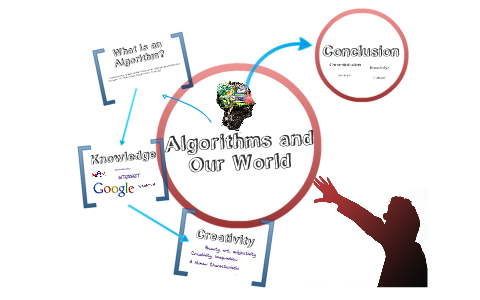
Algorithms have quietly transformed from mathematical formulas to powerful forces shaping our daily lives. Their influence extends far beyond social media feeds, impacting everything from the information we consume to the opportunities we receive. Let's explore some key areas where algorithms wield significant power:
Information Gatekeepers: Search engines like Google and Bing rely on complex algorithms to rank and display search results. These algorithms determine what information you see first, potentially limiting your exposure to diverse viewpoints and shaping your understanding of the world.
The Filter Bubble Phenomenon: Social media platforms like Facebook and Twitter use algorithms to personalize user experiences. This can create "filter bubbles" where users are primarily exposed to content that confirms their existing beliefs, limiting their engagement with opposing viewpoints and potentially hindering critical thinking.
Algorithmic News Curation: News aggregators and online publications increasingly rely on algorithms to curate news feeds. These algorithms can prioritize sensational headlines or stories that align with your past preferences, potentially creating an echo chamber of like-minded perspectives and limiting access to a well-rounded view of current events.
Decision-Making and Bias: Algorithms are increasingly used to automate decision-making processes, from loan approvals to criminal justice predictions. However, these algorithms can perpetuate biases present in the data they are trained on, leading to discriminatory outcomes in areas like employment, housing, and loan applications.
The Algorithmic Marketplace: E-commerce platforms leverage algorithms to personalize product recommendations and target advertising. These algorithms can influence purchasing decisions and potentially manipulate consumer behavior.
The power of algorithms extends beyond these specific examples. They are increasingly used in areas like healthcare, education, and even government services. As algorithms become more sophisticated and integrated into our lives, it's crucial to understand their potential benefits and drawbacks.
Here are some critical questions to consider:
- How can we ensure that algorithms are fair and unbiased?
- How can we maintain transparency in algorithmic decision-making processes?
- How can we become more informed users of technology and navigate the algorithmic landscape effectively?
By grappling with these questions, we can work towards a future where algorithms empower us rather than control us.
TED TALK: How Algorithms Shape Our World
Trapped in the Echo Chamber: How Algorithms Shape Our News and Views

Imagine a world where you only hear information that confirms your existing beliefs. No dissenting opinions, no challenging viewpoints, just a constant stream of content that reinforces what you already think. This, in essence, is the potential downside of filter bubbles, echo chambers, and algorithmic news curation.
Filter Bubbles: These occur when algorithms personalize information feeds based on your past behavior and interests. Social media platforms use algorithms to prioritize content you've interacted with in the past, creating a bubble of familiar ideas and perspectives. While this can be convenient, it limits exposure to diverse viewpoints and hinders critical thinking.
Echo Chambers: These build upon filter bubbles, creating a self-reinforcing environment where users are primarily exposed to information that validates their existing beliefs. This can lead to polarization, as people become increasingly entrenched in their own viewpoints and demonize opposing views.
Algorithmic News Curation: News aggregators and online publications use algorithms to select and display news stories. While this can be helpful for finding relevant information, it can also lead to bias. Algorithms may prioritize sensational headlines or stories that align with your past preferences, creating an echo chamber of like-minded perspectives.
The combined effect of these forces can be a distorted view of reality. We may become increasingly convinced of the rightness of our own opinions, even when presented with factual evidence to the contrary. This can have serious consequences for our ability to engage in civil discourse, make informed decisions, and function as a cohesive society.
Here are some key concerns:
- Misinformation and confirmation bias: Filter bubbles and echo chambers make it easier for misinformation to spread and become entrenched. People are less likely to encounter information that challenges their beliefs, leading to confirmation bias where they favor information that confirms their existing views.
- Political polarization: Echo chambers can exacerbate political divides by limiting exposure to opposing viewpoints. This can lead to increased hostility and a decline in civil discourse.
- Limited critical thinking: When constantly exposed to information that confirms existing beliefs, critical thinking skills can atrophy. People become less likely to question information or consider alternative perspectives.
Breaking Free from the Echo Chamber
While algorithms can create echo chambers, we are not powerless. Here are some steps we can take:
- Seek out diverse news sources: Don't rely solely on social media or personalized news feeds. Actively seek out news outlets with different perspectives.
- Engage in civil discourse: Talk to people with different viewpoints, even if it's uncomfortable. Listen to their perspectives and try to understand their reasoning.
- Develop critical thinking skills: Be skeptical of information you encounter online. Evaluate the source, consider the evidence presented, and be open to the possibility that you might be wrong.
By being mindful of filter bubbles, echo chambers, and algorithmic news curation, we can become more informed citizens and navigate the online world with a critical eye.
How Filter Bubbles Isolate You
Filter bubbles only exist on social media platforms.
Algorithmic News Curation: Shaping Our Newsfeeds, Shaping Our World
In today's information age, staying informed often means relying on online news sources. But how do these platforms decide which stories you see? The answer lies in algorithms - complex sets of instructions that curate news content based on various factors. While this personalization can be convenient, it raises concerns about information diversity and media bias.
How Algorithms Curate News:
News aggregators and online publications utilize algorithms to sift through vast amounts of information and select stories they believe will be most relevant to you. Here's a breakdown of some key factors algorithms consider:
- Past behavior and interests: Your browsing history, search queries, and articles you've clicked on in the past provide data points for algorithms. These factors can be used to predict the types of stories you might be interested in.
- Location: Algorithms may personalize news feeds based on your location, prioritizing local news stories or topics relevant to your region.
- Social connections: If you follow certain news sources or friends on social media who share specific types of content, algorithms might suggest similar stories for you.
- Engagement metrics: Algorithms often favor stories that generate clicks, shares, and comments. This can lead to the prioritization of sensational headlines or emotionally charged content over more nuanced reporting.
Consequences for Information Diversity:
- Limited Exposure: Algorithmic curation can create "filter bubbles," where users are primarily exposed to news that confirms their existing beliefs. This limits exposure to diverse viewpoints and hinders a well-rounded understanding of current events.
- Echo Chambers: Filter bubbles can evolve into echo chambers, where users only encounter information that reinforces their existing biases. This can lead to political polarization and hinder critical thinking.
- Algorithmic Bias: Algorithms can perpetuate biases present in the data they are trained on. For example, if an algorithm prioritizes news sources with a particular political slant, users may see a disproportionate amount of content from that perspective.
The Challenge of Media Bias:
Algorithmic curation doesn't eliminate traditional media bias - the tendency of news outlets to slant their coverage towards a particular viewpoint. However, it can amplify these biases by limiting exposure to opposing perspectives. This can make it difficult to discern factual information from biased reporting.
Finding Balance in the Algorithmic Age:
- Seek Diverse Sources: Don't rely solely on personalized news feeds. Actively seek out news outlets with a variety of viewpoints, including those that challenge your own beliefs.
- Develop Critical Thinking Skills: Be skeptical of information you encounter online. Evaluate the source, consider the evidence presented, and be open to the possibility that you might be wrong.
- Utilize Fact-Checking Resources: There are many reputable fact-checking organizations that can help you verify the accuracy of information you encounter online.
By being mindful of algorithmic curation and taking steps to diversify your news sources, you can become a more informed citizen and navigate the online news landscape with a critical eye.
Real-World Examples of Algorithmic Bias in News Curation

Algorithmic bias in news curation can manifest in several ways, shaping what information users see and potentially limiting their understanding of current events. Here are a few real-world examples:
1. Political Bias: In 2016, a study by researchers at Harvard found that Facebook's news feed algorithm tended to favor conservative news sources for some users. This could have resulted in liberal users seeing a disproportionate amount of conservative viewpoints and vice versa, potentially influencing their political views.
2. Location Bias: Imagine you live in a city with a high crime rate. News aggregator algorithms might prioritize local crime stories in your feed, creating a perception of greater danger than reality. This is especially concerning if the crime stories are sensationalized or racially biased.
3. Confirmation Bias: Do you love spending hours reading about the latest celebrity gossip? News curation algorithms might pick up on this and prioritize similar content, feeding your existing interest and limiting your exposure to more diverse news stories.
4. Algorithmic Flaws: In 2017, a glitch in Google's news algorithm resulted in the demotion of stories from certain news outlets. While unintentional, this algorithmic error illustrates how technical problems can also disrupt the flow of information.
5. The Echo Chamber Effect: A 2018 Pew Research Center study found that Americans are increasingly getting their news from sources that align with their political views. This can be attributed in part to algorithmic curation on social media platforms, which can create echo chambers where users are primarily exposed to reinforcing viewpoints.
These are just a few examples, and the specific ways algorithmic bias manifests can vary depending on the platform and the user. However, they highlight the importance of critical thinking and seeking diverse news sources in the age of algorithmic curation.
Bias in AI
Unveiling the Bias: Critically Analyzing Algorithmic Bias and its Impact on Social Justice
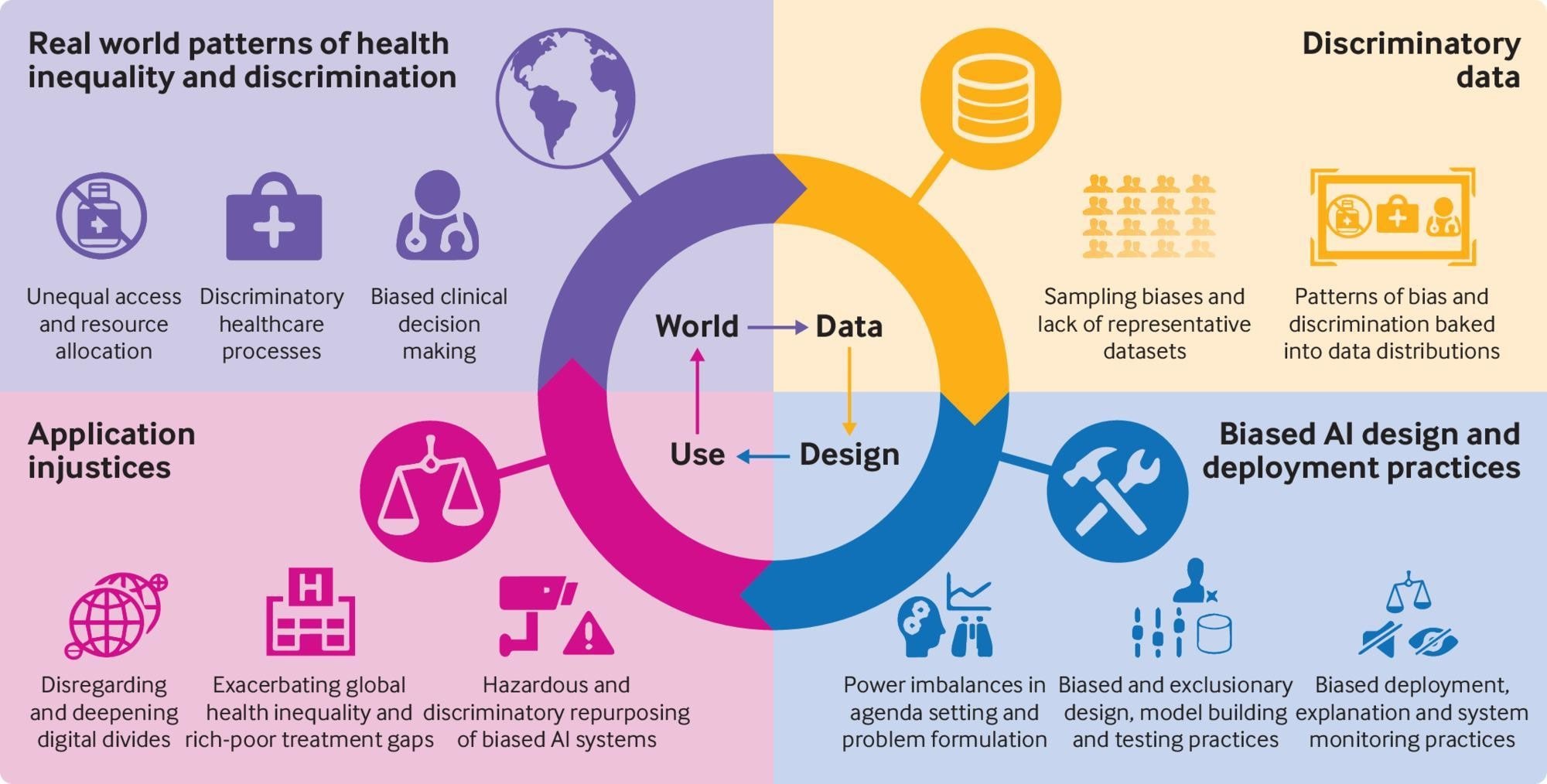
Algorithms are woven into the fabric of our digital lives, shaping everything from news feeds to loan approvals. While they offer efficiency and personalization, a hidden danger lurks: algorithmic bias. This bias can have far-reaching implications for social justice, creating unfair and discriminatory outcomes. Let's explore how to critically analyze this potential for bias and its impact.
Identifying Algorithmic Bias:
The first step is recognizing the potential for bias in algorithms. Here are some key areas to consider:
- Data Bias: Algorithms are trained on data sets. If this data is biased, reflecting existing societal prejudices, the algorithm itself will inherit that bias. For example, an algorithm trained on a dataset of historically biased loan approvals might perpetuate discrimination against certain demographics when making future lending decisions.
- Algorithmic Design: The way an algorithm is designed can introduce bias. For instance, facial recognition algorithms designed using predominantly white faces might struggle to accurately identify people of color.
- Unintended Consequences: Even with good intentions, algorithms can have unforeseen discriminatory outcomes. For example, an algorithm designed to target job advertisements to qualified candidates might inadvertently exclude qualified individuals from certain demographics based on factors like zip code or previous job titles.
Critical Analysis Techniques:
Once you suspect algorithmic bias, a critical analysis is necessary. Here are some methods to employ:
- Examine the Data: If possible, investigate the data used to train the algorithm. Are there any representational imbalances or inherent biases within the data set?
- Analyze the Outputs: Look for patterns in the results produced by the algorithm. Does it favor certain groups over others? Are there disparities in outcomes based on factors like race, gender, or socioeconomic status?
- Consider the Context: Think about the intended purpose of the algorithm and how its biased outputs might impact different social groups. For example, an algorithm used in criminal justice might disproportionately target people of color for arrest or harsher sentencing.
The Social Justice Impact:
Algorithmic bias can have serious consequences for social justice. Here are some key areas of concern:
- Discrimination: Biased algorithms can perpetuate discrimination in areas like employment, housing, loan approvals, and criminal justice. This can limit opportunities and resources for marginalized communities.
- Social Inequality: Algorithmic bias can exacerbate existing social inequalities by further disadvantaging vulnerable groups.
- Erosion of Trust: If people perceive algorithms as biased and unfair, it can erode trust in institutions and technology as a whole.
The Path Forward:
Addressing algorithmic bias requires a multi-pronged approach:
- Data Diversity: Efforts should be made to ensure that data sets used to train algorithms are diverse and representative of the population they impact.
- Algorithmic Transparency: There's a need for greater transparency in how algorithms work and the data they use. This allows for better identification and mitigation of potential biases.
- Human Oversight: Algorithmic decision-making should be combined with human oversight to ensure fairness and prevent discriminatory outcomes.
- Regulation and Advocacy: Policymakers and advocacy groups can play a crucial role in developing regulations that promote fairness and accountability in algorithmic design and implementation.
By critically analyzing algorithmic bias and its social justice implications, we can work towards a future where technology serves as a tool for inclusivity and equity, not a perpetuator of social inequalities.
Building a Fairer Future: Approaches to Developing Ethical Algorithms

The increasing influence of algorithms in our lives necessitates a focus on ethical development. Biases and unintended consequences can have far-reaching societal impacts. Here, we explore various approaches to developing and utilizing algorithms ethically:
1. Fairness in Design:
- Inclusive Data Sets: Algorithms are only as fair as the data they are trained on. Efforts should be made to ensure data sets are diverse and representative of the population the algorithm will impact. This can involve actively collecting data from underrepresented groups and mitigating existing biases within data sets.
- Algorithmic Explainability: Transparency is crucial. Developers should strive to create algorithms that are understandable, allowing for human oversight and identification of potential biases. Explainable AI techniques can help visualize how an algorithm arrives at a decision.
2. Mitigating Bias:
- Debiasing Techniques: Researchers are developing techniques to identify and mitigate bias in algorithms. These techniques can involve data transformation (correcting biases within the data set) or algorithmic adjustments (modifying the algorithm itself to reduce bias).
- Human-in-the-Loop Systems: Combining algorithmic decision-making with human oversight can be a powerful approach. Humans can review algorithmic outputs and intervene in cases where bias is suspected.
3. Algorithmic Accountability:
- Impact Assessments: Before deploying algorithms, especially those with high-stakes consequences, it's crucial to conduct thorough impact assessments. These assessments should evaluate the potential for bias and fairness concerns.
- Algorithmic Auditing: Regular audits of algorithms can help identify and address emerging biases. This can involve scrutinizing data sets, testing for fairness across different demographics, and monitoring the algorithm's real-world impact.
4. Promoting Social Good:
- Algorithmic Justice Efforts: A growing movement is focused on algorithmic justice. This movement advocates for the development and use of algorithms that promote fairness, transparency, and accountability.
- Focus on Human Values: When designing algorithms, consider the ethical implications and ensure they align with core human values like fairness, non-discrimination, and privacy.
The Road to Ethical Algorithms:
Developing truly ethical algorithms is an ongoing process. By employing these approaches, we can strive to create algorithms that are fair, transparent, and accountable. This requires collaboration between technologists, policymakers, ethicists, and the public to ensure that algorithms serve as a force for good in society.
Here are some additional points to consider:
- User Education: Empowering users with knowledge about algorithmic bias is vital. People should be aware of how algorithms can shape their experiences and be equipped to critically evaluate the information they encounter online.
- Regulation and Oversight: Government regulation and oversight may be necessary to ensure responsible development and deployment of algorithms, particularly in sensitive areas like criminal justice and finance.
By working together, we can build a future where algorithms are not a source of social division but a tool for progress and positive social change.
There is no way to reduce bias in your algorithmic life.
Michael Kerns, The Ethical Algorithm
Empowering Your Algorithmic Life: Strategies for Awareness and Bias Reduction

Living in an algorithmic society requires a certain level of digital savvy. Here are some practical strategies you can employ to increase your awareness of algorithms and actively reduce bias in your own interaction with technology:
Boosting Awareness:
- Understanding the Basics: Take some time to learn about how algorithms work. There are many online resources, documentaries, and even video lectures that explain the concept in an accessible way. (Refer to Module 1: The Algorithmic Powerhouse in your online lesson).
- Questioning Your Feed: Be mindful of the information you see online. Ask yourself why certain content appears in your social media feeds or search results. Are algorithms shaping your perception of the world?
- Exploring Diverse Sources: Don't rely solely on personalized news feeds and social media bubbles. Actively seek out news outlets and perspectives that challenge your own beliefs.
Strategies to Reduce Bias:
- Fact-Checking and Verification: Don't take everything you see online at face value. Develop your critical thinking skills and learn to verify the accuracy of information you encounter. Utilize fact-checking websites and reputable news sources.
- Algorithmic Literacy Tools: Several browser extensions and online tools can help you identify potential bias in search results and social media feeds. These tools can provide transparency into how algorithms might be shaping your online experience.
- Engaging with Different Viewpoints: Step outside your comfort zone and engage with viewpoints that differ from your own. Follow people or subscribe to publications with diverse perspectives on social media. Participate in respectful online discussions where you can encounter different arguments.
Taking Control of Your Data:
- Privacy Settings: Review and adjust your privacy settings on social media platforms and other online services. Limit the amount of data you share and how it can be used.
- Data Deletion Requests: Many online platforms allow you to request the deletion of your data. Exercising this right can help you control your digital footprint and limit the influence of algorithms on your online experience.
- Supporting Algorithmic Justice Efforts: Stay informed about the growing movement for algorithmic justice. Support organizations and initiatives that advocate for fair, transparent, and accountable algorithms.
Remember, you are not powerless. By increasing your awareness and employing these strategies, you can become a more empowered participant in the algorithmic society.
Here are some additional tips:
- Talk to Others: Discuss the issue of algorithmic bias with friends, family, and colleagues. Raising awareness is a collective effort.
- Advocate for Change: Contact your elected officials and urge them to support policies that promote responsible development and use of algorithms.
- Stay Informed: The field of artificial intelligence and algorithmic design is constantly evolving. Stay up-to-date on the latest developments and emerging issues related to algorithmic bias.
By taking these steps, you can contribute to a future where algorithms are a force for good, not a source of social division.
Algorithmic Living: A Recap
Congratulations! You've reached the end of this lesson on algorithms and their influence in our lives. In this journey, we explored the following key concepts:
The Power of Algorithms: Algorithms are sets of instructions that shape everything from search results to social media feeds. They can be powerful tools for efficiency and personalization, but it's important to understand their potential drawbacks.
Filter Bubbles and Echo Chambers: Algorithms can create "filter bubbles" where users are primarily exposed to information that confirms their existing beliefs. This can lead to echo chambers where opposing viewpoints are silenced.
Algorithmic News Curation: News aggregators and online publications use algorithms to curate news content. While this can be convenient, it can also limit exposure to diverse perspectives and potentially exacerbate media bias.
Algorithmic Bias: Algorithms can inherit biases present in the data they are trained on. This can lead to discriminatory outcomes in areas like employment, housing, and loan approvals.
Critical Thinking in the Algorithmic Age: To navigate the algorithmic landscape effectively, we need to develop critical thinking skills. This means questioning information encountered online, evaluating sources, and seeking out diverse viewpoints.
Ethical Considerations: As algorithmic use expands, ethical considerations become paramount. We need to ensure algorithms are developed and deployed in a fair, transparent, and accountable manner.
Remember, you are not powerless! By being aware of algorithmic bias and employing the strategies discussed in this lesson, you can become a more informed and empowered participant in the algorithmic society.
Here are some key takeaways:
- Algorithms are powerful tools, but they are not infallible.
- Be mindful of filter bubbles and echo chambers.
- Develop critical thinking skills to evaluate information online.
- Advocate for ethical development and use of algorithms.
We encourage you to continue learning about algorithms and their impact on society. There are many resources available online and in libraries to help you deepen your understanding.

Comments
Post a Comment